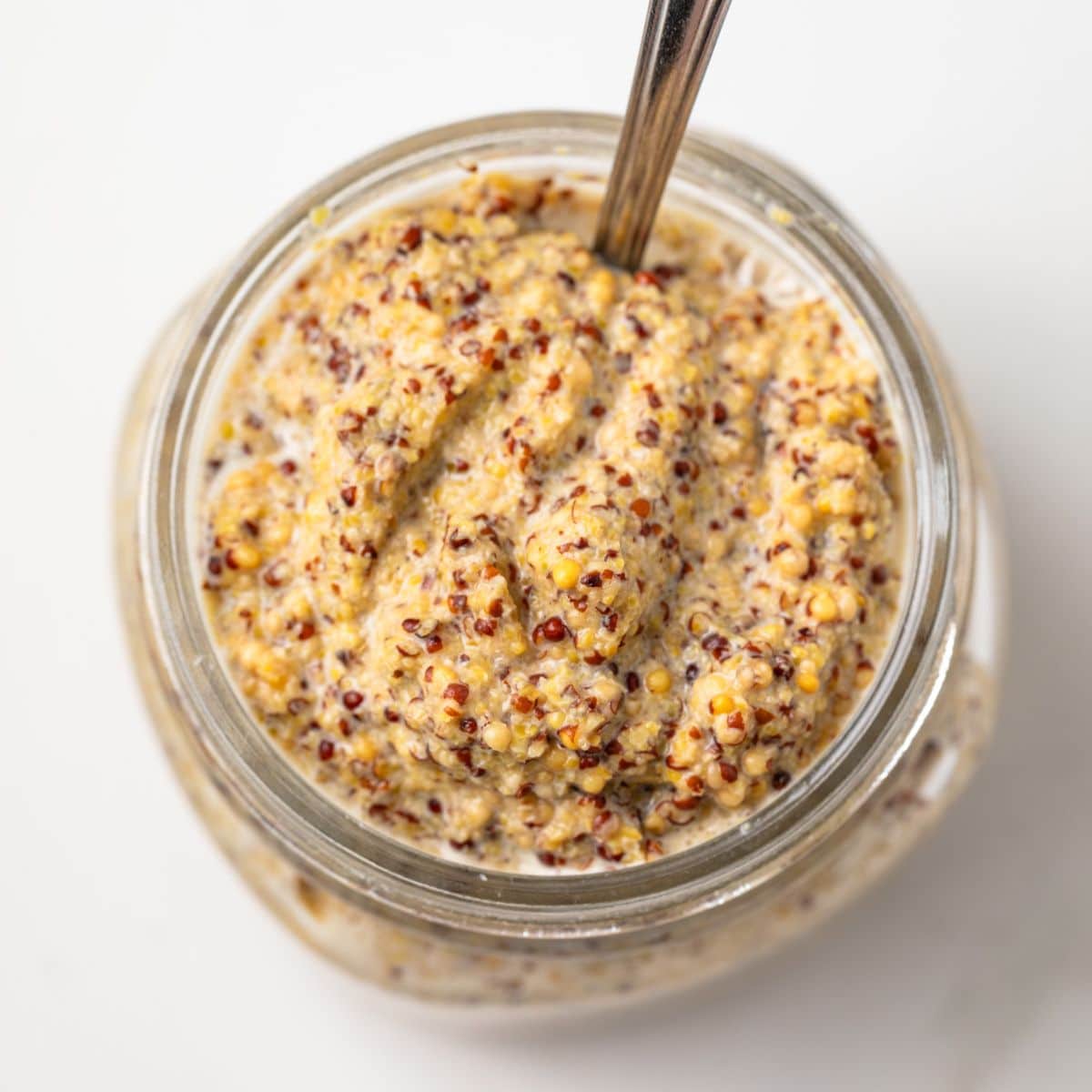
Mastering Your Homemade Spicy Mustard's Perfect Kick
The humble mustard seed, when coaxed and cultivated, transforms into a condiment that can awaken the dullest of dishes. But beyond the supermarket shelves lies a world of vibrant flavor and customizable heat: the realm of
homemade spicy mustard. Crafting your own allows you to control every nuance, from the initial tangy bite to the lingering, fiery finish. It’s an art and a science, a journey of discovery that promises unparalleled satisfaction. If you've ever dreamt of a mustard that truly speaks to your palate, one that delivers that *perfect kick*, you're in the right place. This guide will delve into the secrets behind achieving the ideal level of heat, complexity, and character in your homemade creation, ensuring every dollop is a revelation.
The Science Behind the Heat: Understanding Mustard's Zing
To master the kick of your
homemade spicy mustard, it's essential to understand its inherent chemistry. The pungent heat associated with mustard doesn't come directly from capsaicin, like chili peppers, but from a fascinating enzymatic reaction. Mustard seeds contain compounds called glucosinolates, primarily sinigrin (found in brown and black seeds) and sinalbin (in yellow seeds). When these seeds are crushed and exposed to water, an enzyme called myrosinase is released. This enzyme acts upon the glucosinolates, breaking them down into potent compounds known as isothiocyanates.
For brown and black mustard seeds, sinigrin yields allyl isothiocyanate – a highly volatile compound responsible for that characteristic horseradish-like, nasal-clearing heat. Yellow mustard seeds, containing sinalbin, produce p-hydroxybenzyl isothiocyanate, which delivers a milder, more prolonged heat sensation. The temperature of the water used during the initial mixing is critical. Cold water (around 60°F or 15°C) optimizes the myrosinase enzyme's activity, leading to a hotter mustard. Hot water, conversely, can denature the enzyme, resulting in a milder flavor. Furthermore, acids like vinegar or wine halt this enzymatic reaction, "fixing" the heat level at the point they are added. Understanding this interplay is your first step towards truly custom-tailoring the intensity of your
homemade spicy mustard.
Crafting Your Kick: Key Variables for Homemade Spicy Mustard
The journey to the perfect kick is paved with intentional choices. Every ingredient and every step in the process contributes to the final heat and flavor profile of your
homemade spicy mustard.
Seed Selection: The Foundation of Flavor and Fire
Your choice of mustard seeds is arguably the most fundamental decision you'll make. Each variety brings a distinct personality to the table:
*
Yellow Mustard Seeds (Sinapis alba): Also known as white mustard seeds, these are the mildest of the bunch. They offer a mellow, slightly sweet, and tangy flavor. Their heat, derived from sinalbin, tends to be less aggressive and more sustained on the palate. They are often used as a base for milder mustards or combined with other seeds to temper the intensity.
*
Brown Mustard Seeds (Brassica juncea): These are the workhorse of many Dijon and spicier mustards. Brown seeds contain sinigrin, delivering that sharp, pungent, sinus-clearing heat we often associate with traditional hot mustards. They also contribute a richer, more complex flavor profile than yellow seeds.
*
Black Mustard Seeds (Brassica nigra): The smallest and most potent of the three, black mustard seeds pack the most significant punch due to their high sinigrin content. They offer an intense, sharp heat, reminiscent of wasabi or horseradish, and a robust, earthy flavor. Often used sparingly or in combination with other seeds to provide an exhilarating kick.
For a balanced heat, many recipes for
homemade spicy mustard will call for a blend of brown and yellow seeds. For maximum fire, lean heavily on brown or incorporate black seeds. You can use whole seeds, crack them slightly in a mortar and pestle or spice grinder, or grind them into a fine powder. A coarser grind will result in a more textured mustard with bursts of heat, while a finer grind creates a smoother, more integrated spice.
Liquid Assets: Hydrating for Heat and Balance
The liquid you choose and its temperature are critical in unlocking and stabilizing the mustard's heat.
*
Water: The most straightforward choice. As discussed, cold water maximizes heat development by optimizing enzyme activity.
*
Vinegar: A cornerstone of most mustards, vinegar (white wine, apple cider, malt) not only provides tang but also halts the enzymatic reaction that creates heat. Adding vinegar earlier will result in a milder mustard, as it "fixes" the heat before it fully develops. Adding it later, after the seeds have steeped in water for a while, will allow for more heat to build.
*
Beer or Wine: These add layers of complex flavor. A malty stout can create a rich, robust mustard, while a crisp white wine contributes elegance and acidity. The alcohol content may also play a minor role in solvent properties for flavor extraction.
*
Brine or Pickle Juice: For an extra layer of savory tang and sometimes a touch of existing spice.
Experiment with different liquids to see how they impact both the flavor and the perceived heat of your
homemade spicy mustard.
The Waiting Game: Time, Temperature, and Terroir
Patience is a virtue when making
homemade spicy mustard. After mixing your seeds with liquid, a resting period is crucial for flavors to meld and for the heat to develop and mellow.
*
Initial Steep: Allowing the ground seeds to steep in your chosen liquid (especially water) for several hours or overnight at room temperature will allow the full heat potential to emerge.
*
Maturation: Once your mustard is mixed and jarred, it benefits greatly from a few days, or even weeks, of maturation in the refrigerator. During this time, the initial harshness mellows, and the flavors deepen, becoming more integrated and nuanced. The heat will often soften slightly as well. Taste your mustard periodically to understand how it evolves.
Beyond Basic Heat: Elevating Your Homemade Spicy Mustard's Kick
While mustard seeds provide a fantastic foundational heat, you can introduce other elements to create a truly unique and multi-dimensional kick. This is where your creativity can truly shine. To learn more about customizing beyond just the heat, consider exploring
Customize Your Own Spicy Mustard for Unbeatable Flavor for advanced techniques.
Infusing External Heat Sources
For those who crave an extra layer of fiery intensity, incorporating other spicy ingredients can elevate your
homemade spicy mustard:
*
Chili Peppers: Fresh chilies (like jalapeño, serrano, or even habanero for extreme heat), dried chili flakes, or chili powder (cayenne, ancho, smoked paprika for warmth) can be added during the soaking or grinding process. Roasting chilies first can add a smoky depth.
*
Horseradish: A classic pairing with mustard, fresh grated horseradish delivers an immediate, sinus-clearing pungency similar to black mustard seeds, but with its own distinct flavor.
*
Wasabi Powder/Paste: For a truly exotic kick, a touch of genuine wasabi (or its common horseradish-based imitation) can add an electrifying, short-lived heat.
*
Ginger: Fresh grated ginger provides a warm, peppery spice that complements mustard beautifully.
The Role of Sweeteners and Spices
Sweeteners don't just add sweetness; they balance the sharp acidity and intense heat, making the overall flavor profile more complex and appealing.
*
Honey or Maple Syrup: These natural sweeteners bring depth and a unique aromatic quality.
*
Brown Sugar/Molasses: For a richer, more caramelized sweetness.
Other spices and herbs can contribute warmth, aroma, and a different kind of "kick":
*
Turmeric: Adds color and an earthy, slightly peppery note.
*
Garlic and Onion Powder: For savory depth. Fresh garlic and onion can also be used but will require cooking to mellow their raw intensity.
*
Allspice, Nutmeg, Cloves: For a warm, slightly exotic spice profile, particularly good in mustards designed for roasts.
*
Herbs: Tarragon, dill, thyme, or rosemary can infuse your mustard with aromatic complexity.
Texture and Consistency for a More Impactful Kick
The texture of your
homemade spicy mustard can also influence how the "kick" is perceived.
*
Smooth Grind: A finely ground mustard will deliver a more uniform and consistent heat throughout.
*
Coarse Grind with Whole Seeds: Leaving some seeds whole or coarsely ground can provide bursts of intense flavor and heat when those seeds are crushed in the mouth, adding an exciting textural element.
Troubleshooting and Perfecting Your Batch
Even with the best intentions, your first batch of
homemade spicy mustard might not be *perfect*. But fear not, most issues are easily remedied! For a foundational recipe to start with, take a look at
Make Your Own Fiery Homemade Spicy Mustard Easily before venturing into these adjustments.
*
Too Mild? If your mustard lacks the desired kick, it's likely due to the liquid temperature or too much acidity too early. Try incorporating a small amount of freshly ground brown or black mustard seeds into a small amount of cold water, letting it sit for 15-20 minutes, then stirring this potent paste into your existing mustard. Alternatively, add a pinch of cayenne pepper or a dash of hot sauce.
*
Too Hot? If your mustard is overwhelmingly spicy, you can temper it by adding more of a mild liquid like apple cider vinegar, a touch of honey or brown sugar, or even a dollop of a pre-made, milder mustard. Allowing it to age in the refrigerator for a few weeks can also mellow the heat slightly.
*
Too Thin? If your mustard is too runny, add a bit more finely ground mustard seeds (yellow seeds are good for this, as they also thicken). A little cornstarch slurry can also work, but generally, more mustard solids are preferred.
*
Too Thick? Simply whisk in more of your chosen liquid (vinegar, water, beer) until you reach the desired consistency.
*
Flavor Lacking? Don't be afraid to adjust seasonings. A pinch of salt, a dash of garlic powder, or a spoon of honey can make a world of difference. Taste, adjust, and taste again!
Store your
homemade spicy mustard in airtight jars in the refrigerator. It can last for several months, with its flavor and heat often evolving and improving over time.
Conclusion
Mastering the perfect kick in your
homemade spicy mustard is a deeply rewarding culinary adventure. By understanding the science of the seeds, thoughtfully selecting your ingredients, and patiently allowing flavors to develop, you unlock a world of bespoke condiments. From the vibrant tang of yellow seeds to the fiery punch of black, and with endless possibilities for additional spices and liquids, your personalized spicy mustard will be a testament to your palate and your prowess in the kitchen. So go forth, experiment with confidence, and elevate your sandwiches, sausages, and savory dishes with a truly unforgettable, perfectly kicked
homemade spicy mustard.